
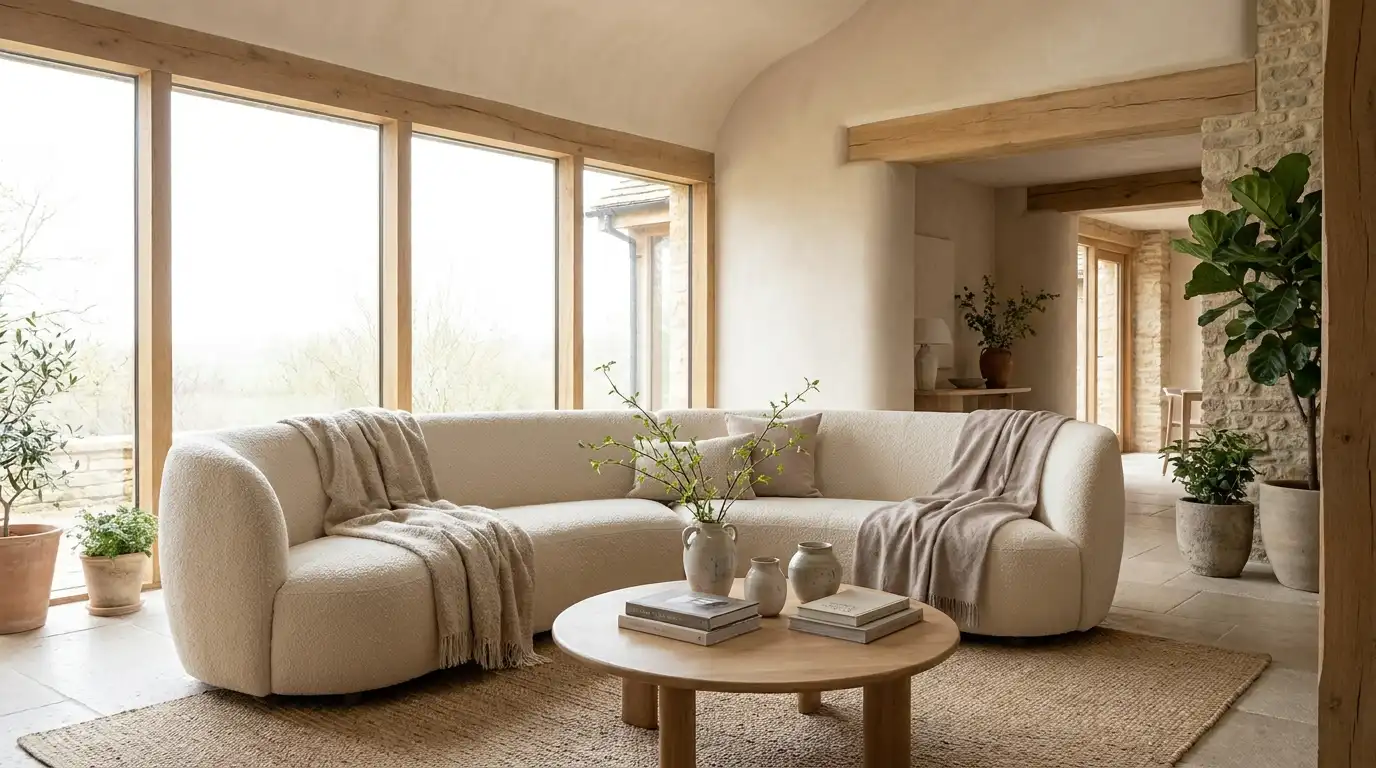
An old proverb reminds us, "The hearth is the heart of the home." But in our modern, fast-paced lives, the dining table and the outdoor patio often become afterthoughts—places where we rush through meals or scroll on our phones. We have forgotten how to gather. We have forgotten how to breathe together.
neuroarchitecture offers a beautiful solution to this modern disconnect. It teaches us that when we blur the lines between our indoor dining spaces and our outdoor natural environments, we don't just improve our decor; we improve our relationships and our mental health.
The Psychology of Gathering and Nature
When we eat in a space that feels connected to nature, our parasympathetic nervous system (the "rest and digest" mode) activates. This means better digestion, lower blood pressure, and deeper conversations.
By designing a dining room with large, unobstructed views of the garden, using raw, tactile materials like reclaimed wood for the table, and extending the same natural flooring out to an outdoor patio, we create a "soft fascination" effect. This psychological state allows our brains to effortlessly recharge while we connect with our loved ones.
Cultivating Connection at Home
If you want to turn your meals and outdoor time into mindful, restorative rituals, start by gathering inspiration from breathtaking neuroarchitecture examples that seamlessly blend indoor dining with outdoor living. For practical layout tips to improve the flow of your gathering spaces, download a helpful neuroarchitecture PDF, or explore the philosophy of natural living in a beautiful neuroarchitecture book. When you prioritize holistic Neuroarchitecture Design, you aren't just building a patio or setting a table—you are creating a space where love, health, and nature flourish together.
Post a Comment